Liaoning Xinda Talc Group Co., Ltd. - Deng Xianghui
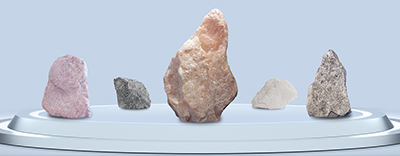
The application of talcum powder in insulation materials mainly includes the following two directions: special peeling talcum powder for sheathed insulated wires and talcum powder filling for sheathed cables.
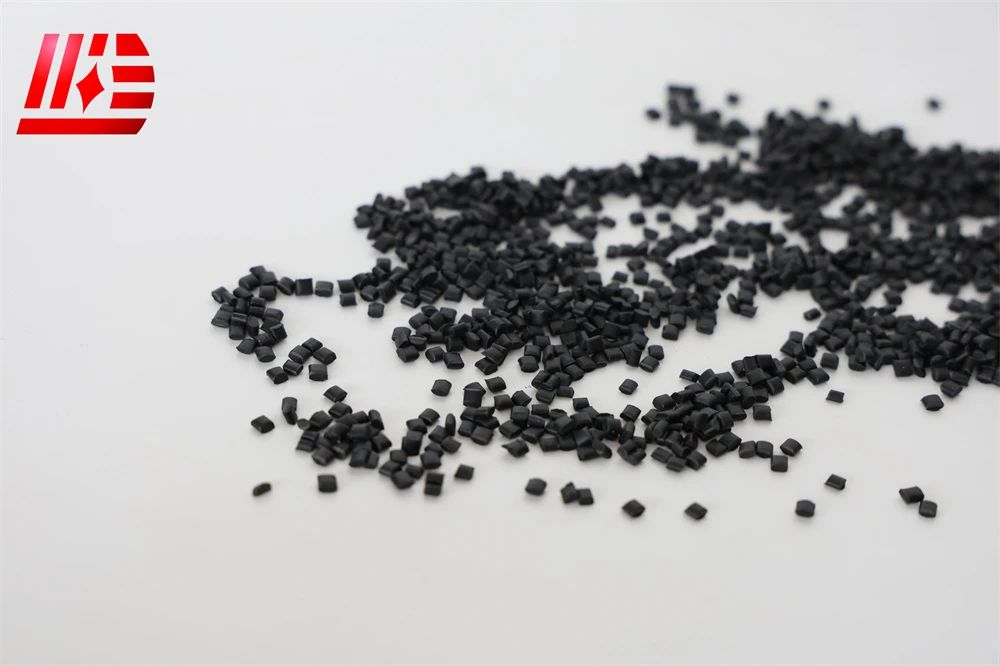
1、 Special peeling talcum powder for sheathed insulated wire
Talc powder has surface lubricity, oil affinity and hydrophobicity, is not easy to absorb water, and also has anti adhesion and fire resistance. Therefore, during the production of wire, some talc powder is added between the sheath and the wire skin to reduce the friction between the outer sheath and the wire skin, and to avoid adhesion due to high temperature. Talc powder needs to be dried before use.
2、 Sheath cable filled with talcum powder
As a filler in cable insulation materials, it mainly changes the following aspects of the insulation material:
1. Cost reduction: The addition of talc powder can effectively reduce material costs.
2. Enhancement: Talc powder has a sheet-like structure at the microscopic level, which has a reinforcing effect on the resin matrix and can significantly improve the rigidity of the material.
3. Weather resistance: Polymer materials generally have poor weather resistance, are sensitive to light and high and low temperature reactions, and are prone to aging over time. Talc powder is an inorganic non-metallic material that can significantly improve the aging resistance of cable insulation materials.
4. Heat resistance: Cable insulation materials need to withstand high temperatures, and once they exceed the heat resistance temperature, it is very dangerous. Talc powder can effectively improve the material's heat resistance temperature.
5. Improve tearing performance: The wire and cable sheath usually has strong toughness and is not easily torn when it needs to be peeled off. After adding talcum powder, the elongation of the insulation material can be appropriately reduced, making the material more prone to tearing.
6. Improve flame retardant performance: The insulation material filled with talc powder has significantly improved heat resistance. After high-temperature calcination of talc powder, magnesium oxide and water will decompose. Magnesium oxide will undergo endothermic decomposition reaction at high temperature, which will absorb a large amount of heat, reduce the surface temperature of the material, and delay the decomposition and combustion process of the material. Meanwhile, the magnesium vapor produced by decomposition can dilute the concentration of combustible gases and further suppress combustion. Formation and protection of carbon layer: Magnesium oxide can promote the formation of a dense carbon layer during combustion of materials. This carbon layer has the function of insulation and oxygen barrier, which can prevent the transfer of heat and oxygen, and slow down the generation of flammable gases. Physical barrier: Magnesium oxide serves as a physical barrier layer, providing high-temperature insulation and oxygen isolation to prevent flame spread.
The decomposed water helps dilute the concentration of combustible gases, further suppressing the combustion process and reducing smoke generation.